

Why Northern NJ Homeowners Need Fast, Reliable Boiler Service
When you need boiler repair northern nj services, you want answers fast. Here’s what you need to know:
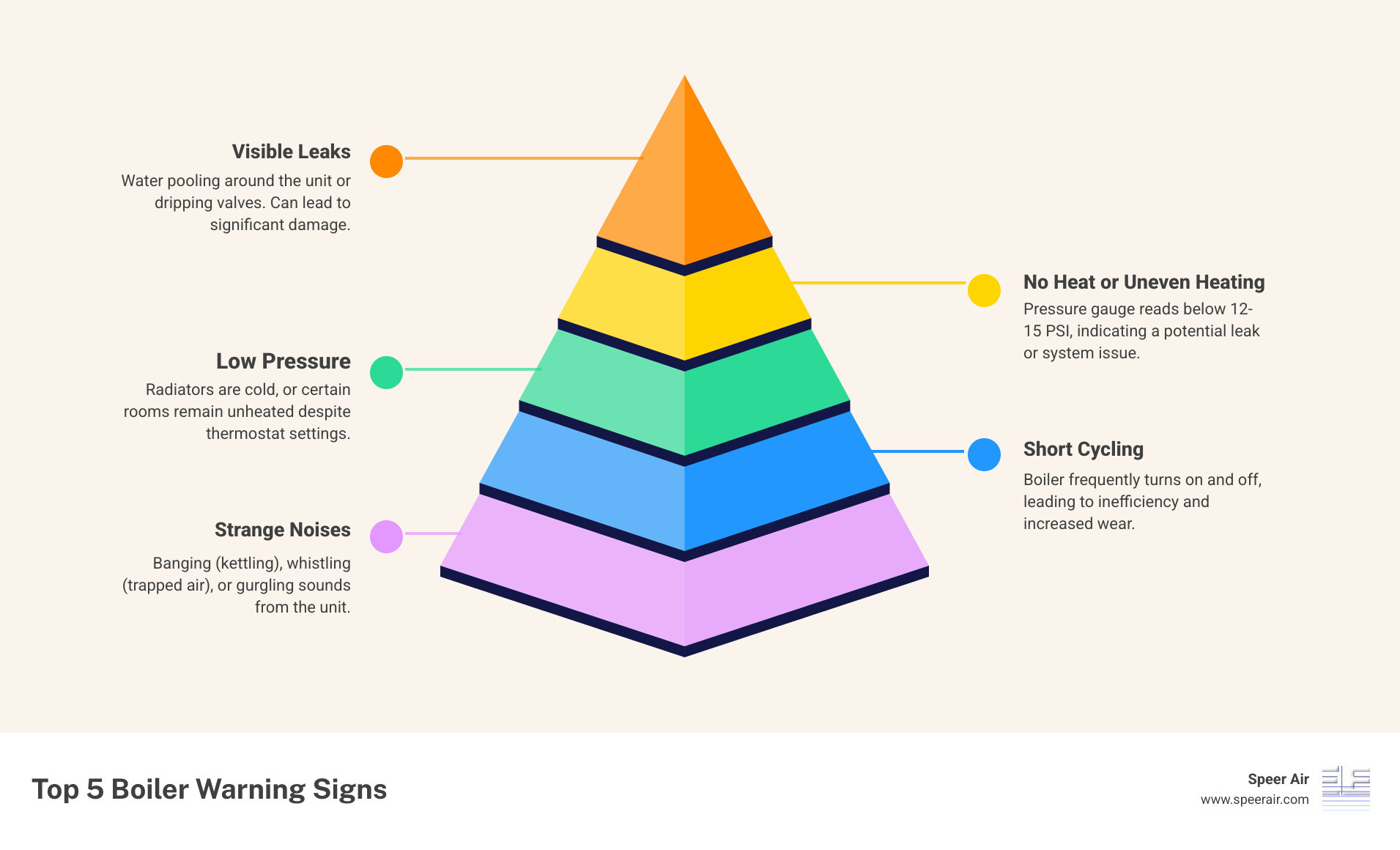
Top Signs Your Boiler Needs Repair:
- Strange noises – banging, whistling, or gurgling sounds
- No heat or uneven heating – cold radiators or rooms
- Visible leaks – water pooling around the unit
- Low pressure – gauge reading below 12-15 PSI
- Short cycling – boiler keeps turning on and off
When to Call a Professional Immediately:
- Gas smell or suspected carbon monoxide leak
- Major water leaks or electrical issues
- Boiler won’t turn on at all
In Northern New Jersey, where winter temperatures can plummet, a reliable boiler is essential for safety and comfort. Unlike forced-air systems, boilers provide quiet, even radiant warmth, making boiler problems especially disruptive.
A malfunctioning boiler impacts your safety, increases energy bills, and can cause costly damage if left untreated. The good news is that many issues show clear warning signs before they become emergencies.
This guide covers common boiler problems, DIY troubleshooting, when to call a professional, repair vs. replacement decisions, and preventative maintenance.
Common Boiler Problems: What Those Noises, Leaks, and Cold Spots Mean
When your boiler acts up, it usually gives you fair warning. Recognizing these early signs can save you from a middle-of-the-night emergency call during a harsh Northern New Jersey winter.
Strange Noises
If your boiler is making unusual sounds, it’s trying to tell you something.
- Banging sounds, or “kettling,” often mean mineral buildup in the heat exchanger is causing water to overheat. This forces your boiler to work harder and can lead to damage.
- Whistling noises usually point to trapped air in the system or a valve that isn’t opening correctly, restricting water flow.
- Gurgling often indicates low water pressure or air pockets, which means the system is struggling to circulate water effectively.
Visible Leaks & Low Pressure
Water on your basement floor is a clear sign of trouble. Even small puddles around your boiler can signal leaks from corroded pipes, worn seals, or a cracked heat exchanger, which can lead to water damage and mold.
Dripping valves are another red flag. While a pressure relief valve might drip occasionally, constant dripping suggests a faulty valve or persistent pressure issues that need professional attention.
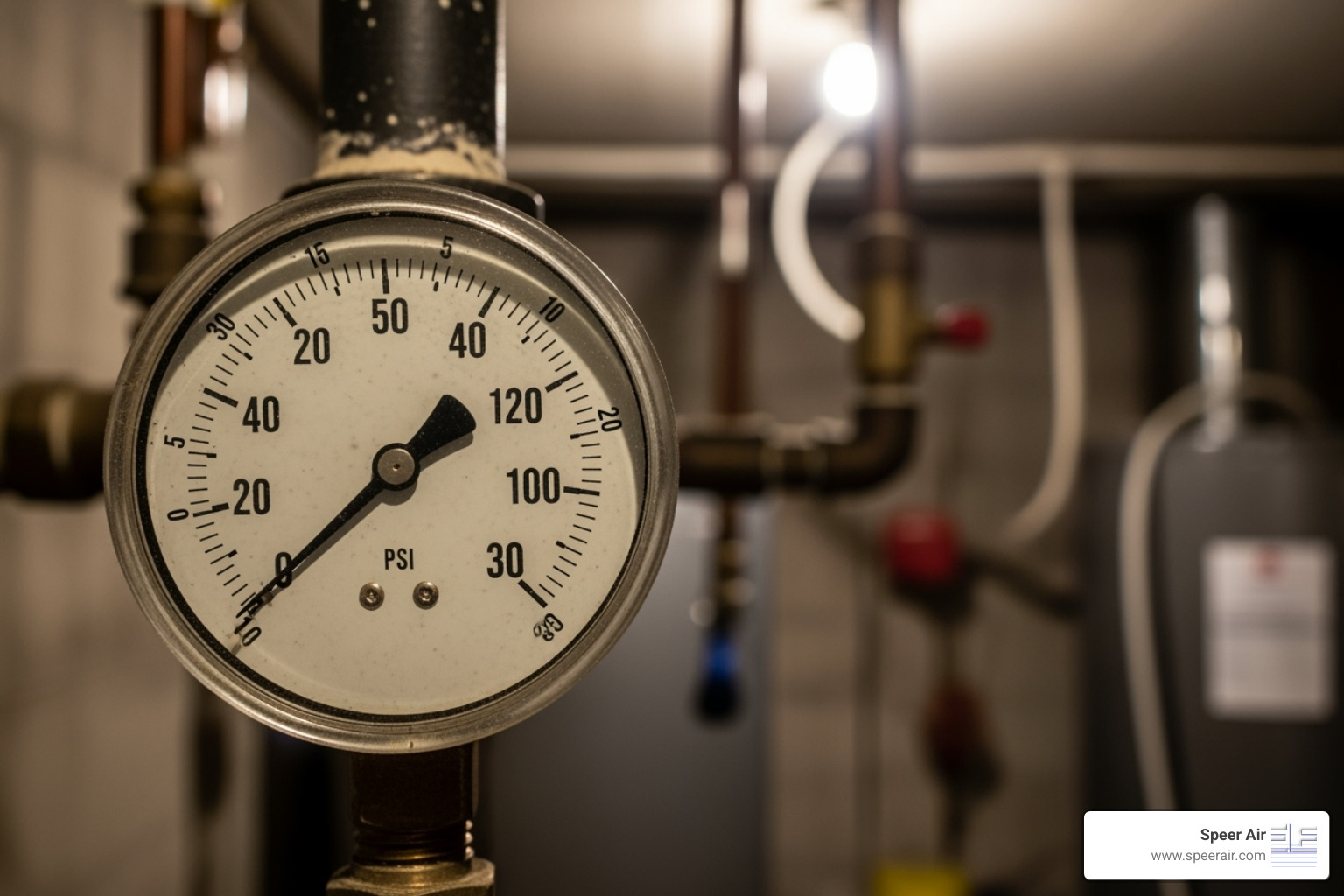
Check the pressure gauge; when cold, it should be around 12-15 PSI. Consistently low readings suggest a leak or an issue with the expansion tank, which can cause shutdowns and leave you without heat.
No Heat or Uneven Heating
Cold radiators or uneven heating mean your system isn’t distributing heat correctly. You might find some rooms are warm while others remain cold. This often stems from trapped air, faulty zone valves, or circulation pump issues. Identifying the root cause is key to a straightforward solution.
Boiler Keeps Shutting Off (Short Cycling)
Short cycling—when a boiler repeatedly turns on and off—stresses components and wastes energy. It’s often caused by thermostat problems, such as a misreading of the room temperature. Overheating, due to low water levels or a clogged pump, also triggers safety shutdowns. In high-efficiency systems, a frozen condensate pipe is a common cause during Northern NJ winters, blocking drainage and forcing a shutdown.
Troubleshooting Radiators That Won’t Get Hot
When radiators stay cold, trapped air is a common culprit. Bleeding your radiators releases this air to restore heat. If you’re unsure how to do this safely, it’s best to call a professional.
Sometimes the fix is simple: double-check your thermostat settings. Ensure it’s set to “heat” and at least 5 degrees above the current room temperature.
Zone valve problems can cause one heating zone to stay cold. If a valve is stuck or broken, it will need professional service. Likewise, circulation pump issues stop hot water from reaching your radiators. A failing pump requires professional repair or replacement.
Signs of a High-Efficiency Boiler Needing Service
High-efficiency boilers have unique maintenance needs, especially around condensation management. These systems produce acidic condensate that must drain away. During harsh Northern NJ winters, frozen or clogged condensate drain lines are a common problem, often leading to safety shutdowns. Proper installation, insulation, and regular inspection of the drain line are critical to prevent blockages.
Understanding these problems helps you know when to call for professional boiler repair northern nj. While some tasks are DIY-friendly, many require an expert.
DIY Boiler Checks vs. When to Call a Professional
Some boiler issues are safe for homeowners to troubleshoot, but it’s crucial to know where to draw the line between a quick DIY fix and a situation that requires professional boiler repair northern nj services.
Simple DIY Troubleshooting Steps
Before calling for service, try these simple, safe checks that don’t require special tools:
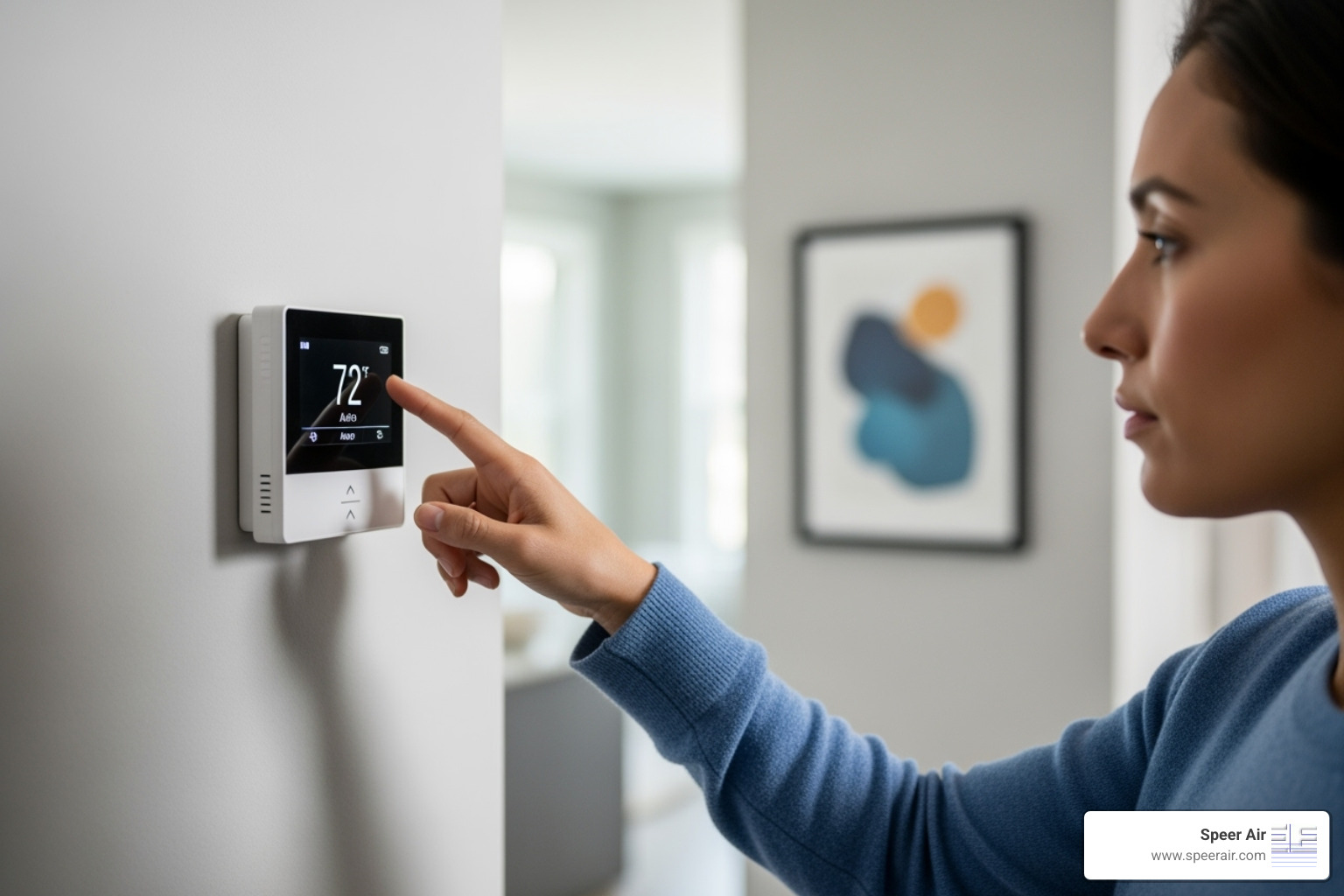
- Check your thermostat: Ensure it’s set to “heat” and the temperature is at least five degrees above the current room temperature. Also, check the batteries in digital models.
- Inspect the circuit breaker: Look for a tripped breaker in your electrical panel and reset it if necessary.
- Verify the emergency shutoff switch: Most boilers have a red switch, often near the unit or at the top of the basement stairs. Make sure it hasn’t been accidentally turned off.
- Check the pressure gauge: The gauge should read around 12-15 PSI when the system is cold. If it’s low, your boiler manual may have instructions for adding water, but call a pro if you’re unsure.
- Confirm the gas supply: If you have a gas boiler, ensure the supply valve is open and that other gas appliances are working.
Red Flags: When to Immediately Call for Professional Boiler Repair Northern NJ
Some situations are too dangerous for DIY fixes and require an immediate call to a professional. Your safety is the top priority.
- Gas Smell: If you smell gas, evacuate immediately. Do not use any electronics or light switches. Once safely outside, call your gas company’s emergency line and 911, then call us. Gas leaks are extremely dangerous.
- Suspected Carbon Monoxide Leak: CO is an invisible, odorless, and deadly gas. If you or your family experience headaches, nausea, or dizziness, get outside to fresh air immediately and call for help. Ensure you have working CO detectors in your home.
- Major Water Leaks: While a small drip can be monitored, actively pooling or flowing water requires immediate professional attention to prevent significant water damage.
- Electrical Issues: Buzzing sounds, burning smells, or sparks are serious hazards. Back away from the unit and call for professional help.
- Internal Part Replacement: Replacing components like pumps, valves, or heat exchangers requires specialized tools and knowledge. This is a job for a professional to ensure it’s done safely and to maintain your warranty.
Essential Boiler Maintenance for Northern NJ Homeowners
Regular maintenance is essential for a boiler that works hard through Northern New Jersey’s winters.
- Schedule an Annual Professional Tune-Up: This is the most important step. Our NATE-certified technicians inspect, clean, and test critical components, catching problems before they become emergencies. This preventative service is key to a reliable system.
- Inspect Vents and Flues: Keep outdoor vents and flues clear of obstructions like snow, debris, or animal nests to prevent dangerous carbon monoxide buildup in your home.
- Keep the Area Clear: Maintain at least a foot of clear space around your boiler for proper airflow and service access.
- Prepare for Winter: Schedule your annual maintenance in the fall to prepare for harsh NJ winters. This ensures you have reliable heat when you need it and helps you avoid emergency boiler repair northern nj calls during the busiest time of year.
The Importance of Professional Boiler Repair Northern NJ
When your heating system fails during a bitter New Jersey cold snap, you need expertise you can trust. With over 120 years of experience, Speer Air knows that professional boiler repair northern nj is about more than restoring heat. It’s about ensuring your family’s safety, protecting your investment, and providing peace of mind.
Safety and Compliance
Boilers are complex systems involving gas combustion, high-pressure water, and electrical components, making safety paramount. Our NATE-certified technicians have the expertise to handle these systems safely and ensure they operate according to all local codes and regulations.
Carbon monoxide prevention is a top priority. We thoroughly inspect your boiler’s venting to ensure harmful exhaust gases are safely expelled from your home, protecting your family from this colorless, odorless gas.
Efficiency and Performance
We don’t just apply a temporary fix. Our technicians find the root cause of your heating issues. Our proper diagnosis uses advanced tools and deep experience to solve the problem, not just the symptom. As a Carrier Factory Authorized Dealer, we use genuine parts designed for your system.
The result is a boiler that runs at peak performance, providing consistent heat and lower energy bills. We bring meticulous attention to detail to every home we service in Northern New Jersey.
Longevity
Your boiler is a significant investment that can last 15-20 years or more with proper care. Catching small problems early prevents catastrophic system failure. Addressing a minor issue found during a repair is far less costly and disruptive than an emergency breakdown in winter.
Warranty Protection
Most boiler manufacturers require professional installation and annual maintenance to keep the warranty valid. Using a professional service like Speer Air for repairs and maintenance protects your investment from unexpected out-of-pocket expenses should a covered part fail. We do things the right way to keep your warranty intact.
Repair or Replace? Making the Right Choice for Your Boiler
When your boiler fails, you face a big decision: repair or replace? Understanding the key factors makes the choice clearer, especially when facing a chilly Northern NJ winter.
| Factor | Repair Often Best | Replace Often Best |
|---|---|---|
| Age of Boiler | Under 10-15 years old | Over 15 years old (especially 20+ years) |
| Frequency of Repairs | First or second minor issue | Frequent breakdowns, multiple repairs in a year |
| Cost of Repair | Minor part replacement, less than 50% of new boiler cost | Major component failure (heat exchanger, control board), repair cost >50% of new boiler |
| Energy Bills | Consistent, reasonable | Steadily increasing for no apparent reason |
Key Factors to Consider
Making the right choice depends on a few key variables.
- Boiler age is a key factor. Most last 15-20 years. Repairing a boiler older than that is often not a sound financial decision, as it’s likely living on borrowed time.
- Rising energy bills are a telltale sign of declining efficiency. If your heating costs are climbing without a change in usage, your boiler is working harder and wasting fuel.
- Frequent breakdowns are a clear sign it’s time to consider replacement. If you need boiler repair northern nj services multiple times a season, the accumulated cost and inconvenience often justify an upgrade.
- A helpful guideline is the 50% rule: if a repair costs more than half the price of a new boiler, replacement is usually the smarter investment.
The Advantages of Upgrading to a High-Efficiency Boiler
Modern high-efficiency boilers are upgrades that improve comfort and lower your monthly bills.
- Energy savings are remarkable. Modern high-efficiency boilers have AFUE ratings up to 96%, compared to 70-80% for older units. This significant difference is why many homeowners are upgrading.
- Your environmental impact shrinks by using less fuel and reducing your carbon footprint.
- Financial incentives like the NJ Clean Energy Program and federal tax credits can help offset the cost of a new high-efficiency system, significantly reducing your upfront investment. You can review current efficiency standards at AHRI boiler efficiency standards.
We provide comprehensive boiler replacement services throughout Northern New Jersey.
Understanding the Signs Your Boiler Needs Replacement
Sometimes, your boiler makes the decision for you with clear warning signs.
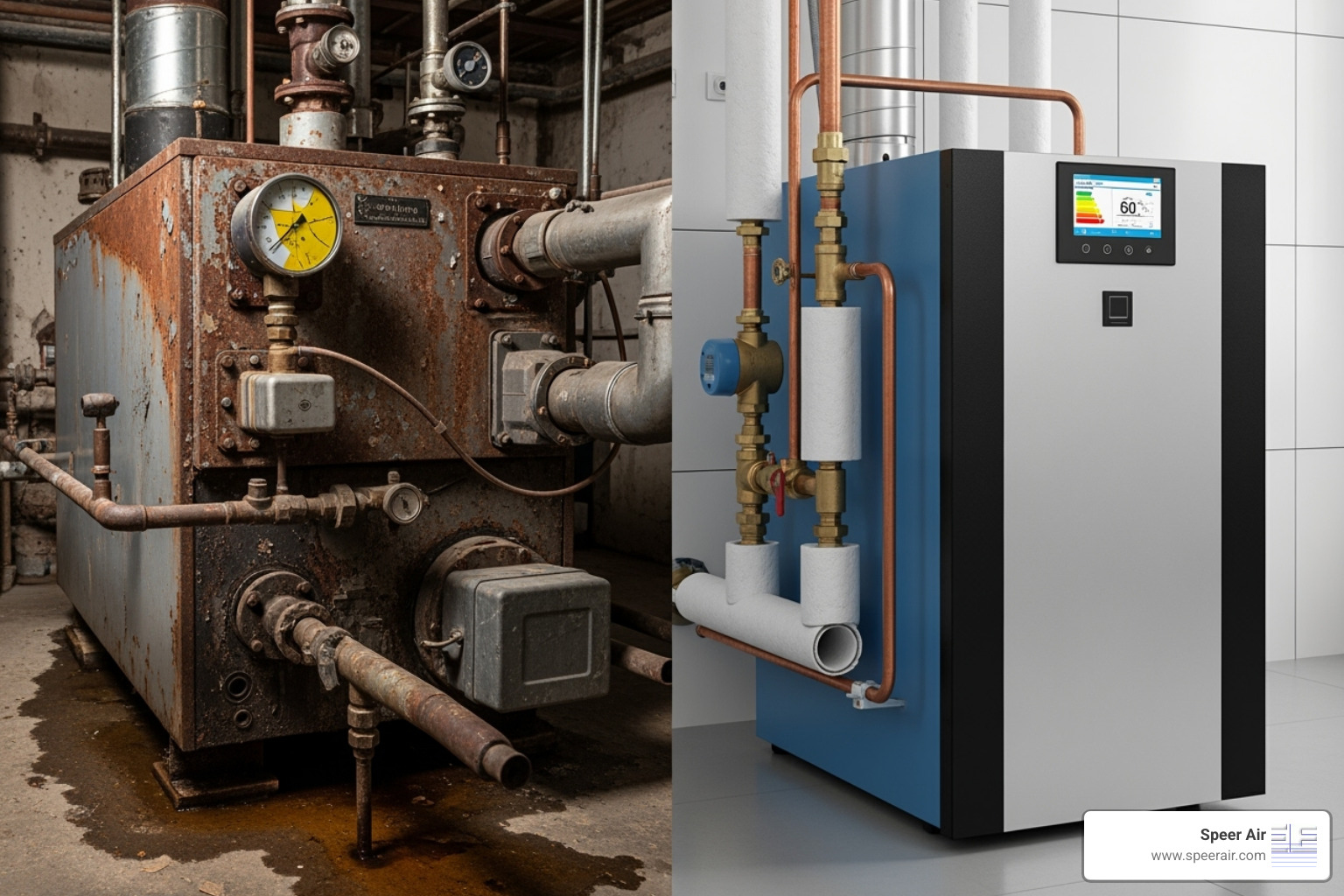
- Persistent leaks often signal widespread internal corrosion. A leak in the heat exchanger, in particular, usually means the boiler is beyond economical repair.
- Visible corrosion or cracks on the unit are serious red flags that may indicate critical internal deterioration.
- Inability to heat your home effectively, even after repairs, suggests the boiler can no longer meet demand.
- Obsolete parts can make repairs impossible. If a critical component is no longer manufactured, replacement is the only option.
Frequently Asked Questions about Boiler Services in Northern NJ
After more than 120 years in the heating business, we’ve heard just about every boiler question. Here are the most common ones from our Northern NJ customers.
What are the benefits of radiant heat from a boiler?
Unlike furnaces that blow hot air, boilers provide radiant heat, which warms objects and surfaces for a more natural-feeling warmth. This creates an even, consistent temperature without the uncomfortable hot and cold spots of forced-air systems.
No drafts or dust circulation is a major benefit. Without a fan blowing air through ducts, boilers don’t spread allergens, making them ideal for family members with allergies or asthma. They also offer quieter operation for a more peaceful home environment.
How often should I have my boiler serviced?
Annual maintenance is crucial. We recommend scheduling your boiler service every year, ideally before the heating season begins in the fall.
Annual tune-ups ensure safety, efficiency, and longevity. Our technicians check for safety issues like CO leaks, clean components, and fix minor problems before they become expensive boiler repair northern nj emergencies. This also helps prevent unexpected breakdowns during the coldest NJ winter nights.
What is a typical boiler lifespan?
Most boilers last 15-20 years on average. However, well-maintained cast iron boilers can last longer, sometimes 25-30 years.
Regular service is key to maximizing lifespan. A neglected boiler may fail in 10-12 years, while a well-maintained one can last for decades. Our experience since 1900 confirms that consistent professional maintenance is the best way to ensure your boiler runs reliably for years.
Your Trusted Partner for Boiler Services in Northern New Jersey
Experience matters for staying warm through Northern New Jersey’s harsh winters. Identifying problems early, performing regular maintenance, and knowing when to call a professional saves you money and stress.
For over 120 years, our family-owned business, Speer Air, has provided reliable heating to Northern New Jersey. Our heritage, dating back to 1900, gives us an best understanding of heating systems, from historic models to today’s high-efficiency boilers.
Our NATE-certified technicians are equipped for any job, from routine maintenance to emergencies. As a Carrier Factory Authorized Dealer, we use genuine parts and advanced diagnostics to service all major brands, ensuring the job is done right the first time.
Boiler problems don’t keep business hours, which is why we offer 24/7 emergency boiler repair to ensure you’re never left in the cold. Help is always just a call away.
Whether you need an emergency repair, routine maintenance, or a complete boiler replacement, you can trust our factory-authorized experts to keep your home warm, safe, and efficient. Homeowners from Rockaway to Denville and throughout Morris County rely on us for trusted heating solutions. We have the expertise to diagnose and repair all major HVAC brands, ensuring your comfort.
Contact us today for all your heating repair needs! – because when it comes to boiler repair northern nj, four generations of heating expertise makes all the difference.