

Heating Installation in Middlesex County NJ 2025: Best Tips
Why Reliable Heating Matters in Middlesex County
For homeowners in Middlesex County, NJ, a reliable heating installation is essential to combat cold winters and unpredictable weather. If your current system is old, inefficient, or failing, understanding your options is key to ensuring long-term comfort and energy savings.
Quick Overview: What You Need to Know
- System Types: Furnaces, boilers, heat pumps, and ductless mini-splits are common options.
- Typical Lifespan: Furnaces last 15-20 years; boilers can exceed 20 years.
- Installation Time: Most projects take 1-2 days depending on complexity.
- Key Considerations: Home size, ductwork, fuel source, and energy efficiency.
- Local Requirements: Building permits are typically required in Middlesex County.
- Professional Installation: Ensures safety, code compliance, and warranty protection.
The local climate presents unique challenges. High summer humidity and winter temperature swings cause HVAC systems to work harder, leading to increased wear. A professional installation of the right system is critical for year-round comfort and avoiding future repairs.
For comprehensive guidance on heating and cooling solutions, explore our complete HVAC services, or contact our team today to discuss your home’s specific needs.
Choosing the Right Heating System for Your Home
Selecting a new heating system in Middlesex County, NJ, can feel overwhelming. We’re here to guide you through the options to find a solution that delivers comfort, efficiency, and long-term performance, keeping your family warm through New Jersey winters.
Types of Heating Systems Available
We offer a range of heating systems designed to meet diverse home needs:
- Furnaces: Common in homes with ductwork, furnaces burn fuel (natural gas, propane, or oil) or use electricity to generate heat, which is then distributed by a fan through ducts. Natural gas models are popular for their efficiency.
- Boilers: Boilers create radiant heat by circulating hot water or steam through radiators or in-floor systems. Known for providing consistent warmth, they are durable, reliable, and often found in older homes.
- Heat Pumps: These versatile systems provide both heating and cooling by transferring heat. In winter, they move heat from the outside air indoors, and in summer, they reverse the process. Learn more in our guide: Understanding heat pumps: a guide.
- Ductless Mini-Splits: Perfect for homes without ductwork or for zoning specific areas, ductless mini-splits provide targeted heating and cooling with an outdoor unit connected to one or more indoor units for precise temperature control.
- Hydronic Systems: Using water or steam, hydronic systems transfer heat through radiators or radiant flooring. They offer quiet, consistent warmth and are common in older homes.
- Forced-Air Systems: This category, which includes most furnaces, uses a fan to push heated air through ducts. It provides quick heating and can integrate with AC and air purification systems.
Factors to Consider When Selecting a System
We consider several crucial factors to match the right system to your home:
- Home Size and Layout: Your home’s square footage and layout determine the required heating capacity. An improperly sized system—too large or too small—will be inefficient and wear out prematurely.
- Existing Ductwork: A home with functional ductwork is well-suited for a furnace or central heat pump. If your home lacks ducts or they are in poor condition, a boiler or ductless mini-splits may be a better choice.
- Fuel Source Availability: The available fuel sources in Middlesex County will influence your choice. Natural gas is often preferred for its efficiency, but electricity, propane, and oil are also viable options.
- Energy Efficiency Ratings (AFUE, HSPF): These ratings measure a system’s efficiency. Higher ratings mean lower utility bills and a smaller environmental footprint.
- AFUE (Annual Fuel Utilization Efficiency): For furnaces and boilers, this measures the percentage of fuel converted into usable heat.
- HSPF (Heating Seasonal Performance Factor): For heat pumps, this measures heating efficiency over a season.
- Proper System Sizing: Proper sizing is critical. We perform a Manual J load calculation, considering your home’s square footage, insulation, and windows to determine its precise heating needs. This ensures your system runs efficiently and provides consistent comfort. Learn more about sizing here: What size heat pump does Maplewood home need.
Are Heat Pumps Suitable for New Jersey Winters?
Homeowners often ask if heat pumps can handle New Jersey winters. With modern technology, the answer is a resounding yes.
- Modern Heat Pump Technology: Today’s heat pumps are designed with advanced compressors that can extract heat from outdoor air even when temperatures are well below freezing, providing effective heating for much of the winter.
- Cold Climate Performance: Modern cold-climate heat pumps are engineered to perform efficiently in temperatures as low as 0°F or even colder, making them a reliable choice for our region.
- Hybrid Heating Systems: For maximum efficiency on the coldest days, a hybrid system combines a heat pump with a traditional furnace. The heat pump handles most of the heating, and the furnace takes over only in extreme cold, optimizing energy use.
- Year-Round Comfort and Energy Savings: By providing both heating and cooling in a single unit, heat pumps offer year-round comfort and the potential for significant energy savings. Explore how they can change your home: Transform your home with heat pump technology.
When to Consider a New Heating Installation in Middlesex County, NJ
Knowing when to replace your heating system is key to managing costs, ensuring safety, and maintaining comfort. The signs often appear long before a complete breakdown, signaling it’s time for a new heating installation in Middlesex County, NJ.
Key Signs Your Heating System Needs Replacement
Here are the tell-tale signs that your heating system is nearing the end of its life:
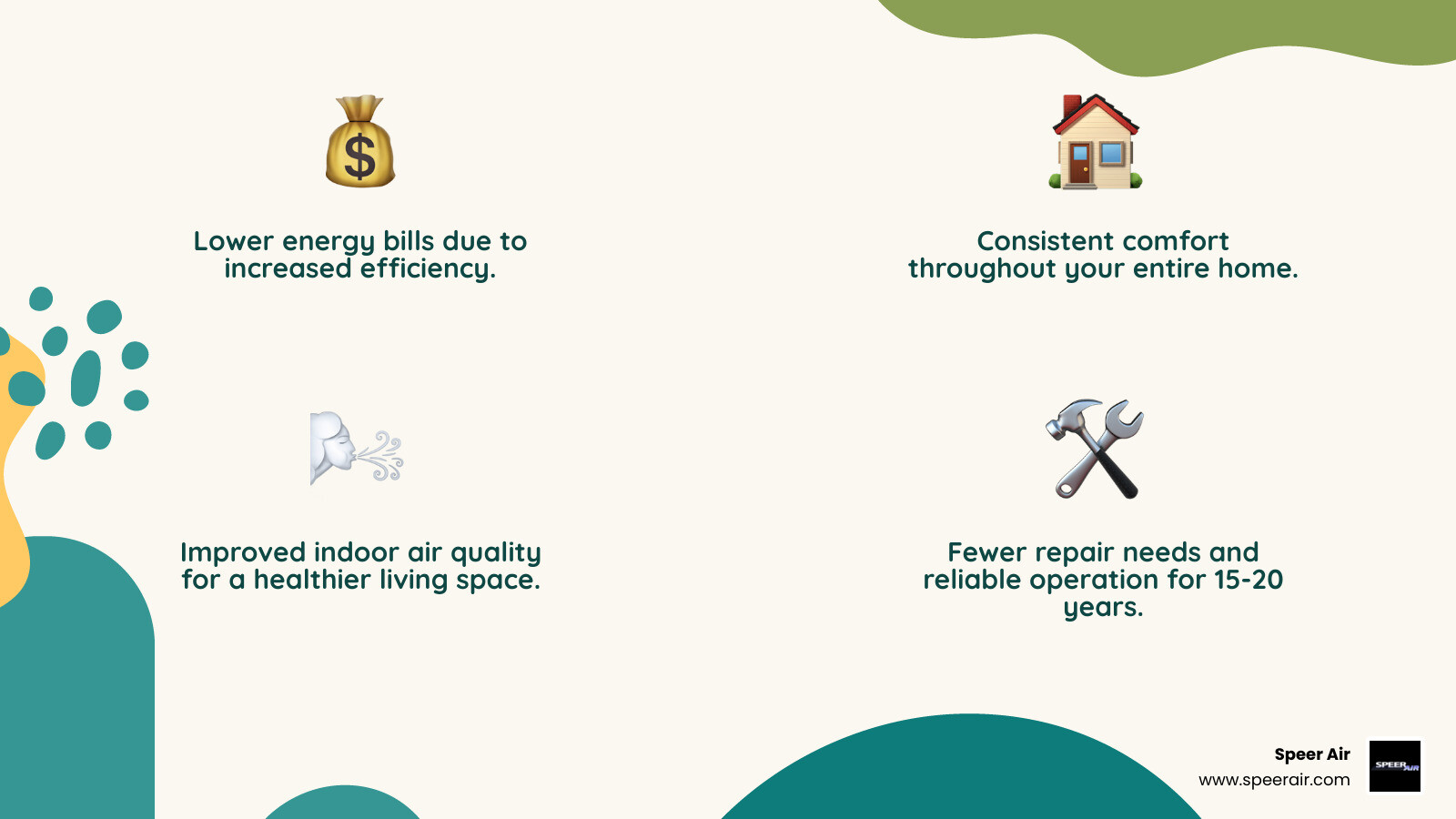
- System Age (15+ Years): Most furnaces last 15-20 years, while boilers can last over 20. If your system is in this age range, especially if it requires frequent repairs, it’s time to consider a replacement. Older systems are less efficient and more prone to failure.
- Rising Energy Bills: A sudden or steady increase in your energy bills without a change in usage is a clear sign your system is losing efficiency and working harder than it should.
- Frequent or Costly Repairs: If you’re facing frequent repairs, or if a single repair is a large fraction of a replacement’s cost, investing in a new system is often more economical. This is especially true for major component failures in systems over 15 years old.
- Uneven Heating: Cold spots or rooms that are difficult to heat indicate your system is struggling to distribute air evenly. This can be caused by an aging blower, ductwork issues, or improper system sizing.
- Strange Noises: Loud or unusual noises like grinding, squealing, or banging are warning signs. These can indicate serious issues, from a failing motor to dangerous combustion problems.
- Poor Indoor Air Quality: An older system can circulate more dust, allergens, and other pollutants, contributing to a stale or dusty indoor environment.
Benefits of Upgrading to an Energy-Efficient System
Upgrading your heating system is an investment that pays off in multiple ways:
- Lower Utility Costs: Modern high-efficiency systems use significantly less energy, leading to immediate and substantial savings on your monthly utility bills.
- Improved Comfort and Consistency: A new, correctly sized system provides even, consistent heat throughout your home, eliminating cold spots and maintaining stable temperatures.
- Increased Home Value: A new, high-efficiency heating system is an attractive feature for potential buyers and can increase your home’s resale value.
- Improved Safety: New systems come with advanced safety features that reduce risks like carbon monoxide leaks, which can be a concern with older gas furnaces.
- Environmental Benefits: By using less energy, an efficient heating system reduces your home’s carbon footprint.
- Modern Comfort Features: New systems often include smart thermostats and improved filtration for greater control and better air quality, similar to the benefits of a modern water heater. Learn more about other home upgrades here: Upgrade your home with tankless water heater.
The Professional Heating Installation Process
When you choose us for your heating installation in Middlesex County, NJ, you’re choosing a seamless, professional process that ensures your new system performs optimally from day one.
What to Expect During Your Heating Installation in Middlesex County, NJ
Our comprehensive approach ensures every step is handled with expert care:
- Initial Consultation: We start with a conversation to discuss your heating needs, budget, and goals to help you understand your best options.
- Home Assessment: Our NATE-certified technicians perform a thorough home assessment, including a Manual J load calculation, to ensure your new system is perfectly sized.
- System Selection: Based on the assessment, we provide custom recommendations, explaining the pros and cons of each so you can make an informed decision.
- Preparation: We’ll guide you on how to prepare your home for a smooth installation day. Get ready with our guide: Prepare home for new hvac system setup.
- Old Unit Removal: Our team will safely disconnect and remove your old heating system, ensuring proper, environmentally-friendly disposal.
- New System Installation: Our skilled technicians install your new system, carefully handling all connections (gas, electrical, refrigerant) while adhering to manufacturer specifications and local codes.
- Ductwork Inspection and Modification: For forced-air systems, we inspect existing ductwork for issues that could hinder performance and make necessary repairs to ensure optimal airflow.
- Final Testing and Calibration: We rigorously test the entire system to ensure it’s functioning correctly, safely, and efficiently, calibrating it for peak performance.
- Walkthrough and Education: We conclude with a walkthrough to explain your new system’s operation, features, and maintenance, ensuring you’re comfortable with your new investment.
Why Professional Heating Installation in Middlesex County, NJ is Crucial
While DIY projects can be tempting, a heating installation in Middlesex County, NJ requires a professional for several critical reasons:
- Ensuring Safety: Heating systems involve gas, electricity, and combustion, which can be dangerous if handled improperly. Our certified technicians are trained to perform safe, correct installations, preventing risks like gas leaks or fires.
- Adhering to Building Codes: We are knowledgeable about Middlesex County’s strict building codes, ensuring your installation is fully compliant and passes all required inspections.
- Obtaining Local Permits: New heating installations require permits. We handle the entire permit acquisition process for you, ensuring all work is properly documented and approved.
- Proper Sizing and Calibration: Professionals use industry-standard calculations to size your system correctly, preventing inefficiency and premature wear. We also calibrate it for optimal performance in your home.
- Protecting Warranties: Most manufacturer warranties require professional installation. A DIY or uncertified installation can void your warranty, leaving you liable for future repair costs.
- Specialized Expertise: Our team has the specialized knowledge for all types of heating systems, from boilers to heat pumps. You can count on us for expert service like our Reliable boiler installation services in Rockaway.
- Installation Timeline: Most typical installations are completed efficiently within one to two days, minimizing disruption to your home.
Maintaining Your New Heating System for Peak Performance
Once your new heating system is installed, proper maintenance is key to maximizing its lifespan, ensuring peak performance, and keeping utility bills low. Proactive care is the best way to protect your investment.
Essential Maintenance for Longevity
We recommend a combination of simple homeowner tasks and professional services:
- Regular Filter Changes: This is the easiest and most impactful DIY task. Check your filter monthly and change it every 1-3 months to ensure proper airflow, improve air quality, and reduce strain on your system.
- Annual Professional Tune-Ups: An annual professional tune-up is essential. Our NATE-certified technicians inspect, clean, and adjust your system to catch potential issues early, ensuring peak efficiency, a longer lifespan, and a valid warranty.
- Keeping Outdoor Units Clear: For heat pumps, keep the outdoor unit free of debris, leaves, and snow. Ensure at least two feet of clearance around the unit for proper airflow.
- Checking Thermostat Function: Periodically check that your thermostat is working correctly and that programmed schedules are set to optimize energy use.
- Seasonal Maintenance Tasks for Homeowners:
- Ensure all vents and registers are open and unblocked.
- Keep the area around your indoor unit clear of clutter.
- Test your carbon monoxide and smoke detectors.
- Listen for unusual noises and report them promptly.
Local Incentives and Financing Options
We want to help make your new heating installation as affordable as possible. Various programs can help offset the cost:
- NJ Clean Energy Program: New Jersey’s statewide program often provides incentives and rebates for installing high-efficiency heating and cooling systems.
- Utility Rebates: Local utilities like PSE&G and NJNG frequently offer rebates for upgrading to energy-efficient equipment. These programs can significantly reduce your initial investment, and some may offer on-bill repayment options.
- Federal Tax Credits: Federal tax credits are often available for installing qualifying energy-efficient HVAC systems. These credits can provide substantial savings but have specific eligibility requirements.
- Financing Options: To help manage the upfront cost, we offer flexible financing for qualified customers. Learn more on our financing page: HVAC financing Rockaway NJ.
- Promotions and Deals: We regularly run special offers on new installations and services. Check our current promotions to see how you can save: HVAC promotions Rockaway NJ.
We can help you steer these opportunities during your consultation to maximize your savings.
Frequently Asked Questions about Heating Installation
We’re here to provide clear answers to common questions about heating installation in Middlesex County, NJ.
How do I know what size heating system my home needs?
System sizing is critical for efficiency and comfort and can’t be based on old unit specs or rules of thumb. The only accurate method is a professional load calculation.
- Manual J Calculation: Our NATE-certified technicians perform this industry-standard calculation, which analyzes your home’s unique factors:
- Square footage
- Insulation levels in walls, attic, and floors
- Window and door quantity, size, and efficiency
- Local climate data for Middlesex County
- Home orientation and number of occupants
Proper sizing ensures your system runs efficiently, maintains consistent temperatures, and avoids issues like short cycling, high energy bills, and premature failure.
How long does a new furnace or boiler typically last?
A system’s lifespan depends on its type, installation quality, and maintenance. With annual professional tune-ups, you can expect:
- Furnace lifespan: 15 to 20 years.
- Boiler lifespan: 20 years or more, sometimes exceeding 30 years.
- Heat pump lifespan: 10 to 15 years, as they operate year-round.
Regular maintenance is crucial to reaching and even exceeding these estimates.
What are common HVAC issues specific to the Middlesex County climate?
Middlesex County’s climate poses unique challenges for HVAC systems:
- High summer humidity strain: Puts extra stress on the entire HVAC system, contributing to wear and tear.
- Winter temperature swings: Causes furnaces to cycle on and off frequently, which accelerates wear and increases energy consumption.
- Frozen coils: Insufficient airflow or low refrigerant can cause coils to freeze, a problem sometimes exacerbated by year-round system stress.
- Clogged condensate lines: High humidity in summer and cold temperatures in winter can cause condensate lines from high-efficiency furnaces and heat pumps to clog or freeze, leading to water backup and system shutdowns.
Understanding these local challenges helps us recommend and install systems best equipped to handle our region’s weather.
Conclusion
Choosing a new heating installation in Middlesex County, NJ, is a significant step toward a warmer, more efficient home. Understanding your system options, the signs it’s time for a replacement, and the benefits of an upgrade makes the process straightforward.
A professional installation is essential for safety, code compliance, and optimal performance. Once installed, consistent maintenance ensures your system runs efficiently for years. The long-term benefits—lower energy bills, improved comfort and safety, increased home value, and a smaller carbon footprint—are essential for any modern home.
For expert guidance on your home’s heating needs, trust the NATE-certified team at Speer Air. As a Carrier Factory Authorized Dealer and Generac® Dealer with deep industry roots dating back to 1900, we bring unparalleled expertise to every project. Our commitment is to provide you with the best heating solution, installed with precision and care.
Contact us for all your HVAC needs today, and let us help you find the perfect heating solution for your home.