

Smart 1st Tankless Water Heater Maintenance in Middlesex County NJ
Why Proper Care Matters for Your Tankless Water Heater
Tankless water heater maintenance in middlesex county nj is essential for keeping your on-demand hot water system running efficiently for years to come. These compact units heat water only when you need it, eliminating standby energy loss and saving space in your home. But without regular care—especially in areas with hard water—mineral buildup can quietly rob your system of performance, drive up energy bills, and even shorten its lifespan from 20+ years to just 10.
Quick Answer: What Tankless Water Heater Maintenance Do You Need?
- Annual professional flushing to remove scale and mineral deposits
- Every 6 months if you have very hard water (common in Middlesex County)
- Filter cleaning (air intake and water inlet) as part of routine checks
- Vent and safety inspections to ensure proper operation
- Performance testing to verify efficiency and output
For expert guidance on tankless water heater services, or to schedule your maintenance service now, connect with a trusted local professional.
Whether you’re experiencing fluctuating temperatures, strange noises, or just want to protect your investment, understanding the basics of tankless water heater care will help you avoid emergency breakdowns and keep hot water flowing reliably through every season.
Why Tankless Water Heaters are a Smart Choice for Middlesex County Homes
In Middlesex County, homeowners are increasingly turning to tankless water heaters, and for good reason! These innovative systems represent a significant upgrade from traditional tank-style units, offering a host of benefits that align perfectly with modern living and energy efficiency goals. We’ve seen how these units transform daily routines, providing comfort and savings.
One of the most compelling advantages is the promise of endless hot water. Imagine never running out of hot water during back-to-back showers or when doing laundry and dishes simultaneously. Tankless units heat water on demand, meaning they only activate when you open a hot water tap. This eliminates the “standby energy loss” that traditional tanks experience, where they constantly heat and reheat a large volume of water, even when no one is home. This efficiency can translate to substantial energy savings, with some reports indicating up to a 10 percent reduction in energy costs from regular maintenance alone, and overall energy efficiency improvements of 24%-34% compared to traditional models.
Beyond the immediate comfort and energy savings, tankless water heaters boast an impressive lifespan. With proper care and regular tankless water heater maintenance in Middlesex County NJ, these units can last well over 20 years, sometimes even upwards of 25 years. This significantly outpaces the typical 8-10 year lifespan of a conventional tank. While the initial investment for a tankless system might be higher, these future savings in energy bills and reduced replacement frequency often offset that cost over time.
Furthermore, their compact, wall-mounted design is a game-changer for space-conscious homeowners in Middlesex County. Unlike bulky tank heaters that can take up valuable closet or utility room space, tankless units are much smaller, freeing up room for storage or other uses. This smaller footprint also contributes to a reduced carbon footprint, as these systems only consume energy when hot water is needed, making them an eco-friendly choice. We believe in providing solutions that not only improve comfort but also contribute to a greener home. For more detailed insights into the advantages of these systems, you can explore our page on more info about tankless water heaters and their benefits.
The Benefits of Going Tankless
Let’s dive a little deeper into why tankless water heaters are such a smart investment for your Middlesex County home:
- Endless Hot Water Supply: This is often the primary draw. With a tankless system, you get hot water when you need it, for as long as you need it. No more cold showers because the tank ran out!
- Reduced Standby Energy Loss: As we mentioned, traditional tanks continuously heat water, even when you’re not using it. Tankless units eliminate this waste, heating water only when a faucet is turned on. This on-demand heating is a cornerstone of their energy efficiency.
- Lifespan Over 20 Years: With diligent maintenance, including regular flushing and inspections, your tankless water heater can provide reliable hot water for two decades or more. This longevity makes them a cost-effective choice in the long run.
- Smaller Carbon Footprint: By reducing energy consumption and operating more efficiently, tankless water heaters contribute less to greenhouse gas emissions, aligning with environmental consciousness.
- Potential for Rebates: Depending on local and state programs, upgrading to a high-efficiency tankless system might even qualify you for rebates, further sweetening the deal.
Understanding Your System’s Key Components
To properly maintain your tankless water heater, it helps to understand the main parts that make it tick. Each component plays a vital role in delivering that instant hot water we all love:
- Heat Exchanger: This is the heart of the system. Cold water flows through the heat exchanger, where it’s rapidly heated by gas burners or electric elements. Mineral buildup here is the primary target of descaling.
- Gas Burner or Electric Elements: These are the powerhouses responsible for generating the heat. Gas units have burners that ignite, while electric units use heating elements similar to those in an electric oven.
- Control Panel: This is your system’s brain and communication center. It monitors water flow, temperature, and often displays error codes if there’s a problem, giving us clues about what might be going on.
- Water Filters: Located at the water inlet, these filters catch sediment and debris before they can enter and potentially damage the heat exchanger. Cleaning or replacing these is a common DIY task.
- Air Filters: For gas tankless units, an air filter ensures clean air is drawn in for combustion. A clogged air filter can impede efficiency and lead to operational issues.
- Venting System: Gas tankless water heaters require a specialized venting system to safely expel combustion byproducts outside your home. Proper venting is crucial for safety and efficiency.
Recognizing the Red Flags: When Your Tankless Unit Needs Attention
Even with the best intentions, sometimes our tankless water heaters start sending us subtle (or not-so-subtle) signals that they need a little TLC. Ignoring these warnings can lead to bigger problems, so it’s wise to pay attention. We’ve seen it all, from a gentle hum turning into a startling rumble, to lukewarm showers on a chilly Middlesex County morning.
When your tankless unit isn’t performing as expected, it’s often trying to tell you something. Fluctuating water temperatures, reduced water pressure, or unusual noises are common indicators. These signs often point to issues like mineral buildup, which can restrict water flow and heating efficiency. Error codes on the display panel are particularly helpful, as they can pinpoint specific problems, often related to flow, ignition, or sensor malfunctions. Discolored or rusty water can signal internal corrosion, while a system that frequently shuts off unexpectedly might be overheating due to scale or venting issues. And, of course, any visible leaks or moisture around the unit should be addressed immediately.
Common Warning Signs to Watch For
Here’s a list of common red flags that suggest your tankless water heater in Middlesex County needs maintenance or repair:
- Fluctuating Water Temperatures: One minute it’s hot, the next it’s lukewarm or even cold. This is a classic sign of mineral buildup interfering with the heat exchanger.
- Reduced Water Pressure: If your hot water flow isn’t as strong as it used to be, scale could be narrowing the internal pipes.
- Strange Noises: Banging, rumbling, whistling, or gurgling sounds often indicate sediment or mineral deposits heating up and expanding inside the unit.
- Error Codes on Display: Your unit’s digital display is a helpful diagnostic tool. Don’t ignore those numbers or letters; consult your manual or call a professional.
- Discolored or Rusty Water: This could point to internal corrosion within the unit or your plumbing system, which needs immediate investigation.
- System Shutting Off Unexpectedly: If your unit frequently cuts out, it might be a safety mechanism triggered by overheating or other malfunctions, often due to scale.
- Leaking or Visible Moisture: Any signs of water around the unit should be taken seriously. Leaks can indicate loose connections, failing components, or even corrosion.
If you’re experiencing any of these issues, it’s crucial to address them promptly. For more information on troubleshooting and repairing common issues, our page on more info about tankless water heater repair rockway nj offers additional guidance.
The Impact of Hard Water in Middlesex County
Middlesex County, like many areas in New Jersey, can experience hard water conditions. But what exactly is hard water, and why does it matter so much for your tankless water heater?
Hard water contains liftd levels of dissolved minerals, primarily calcium and magnesium. While generally safe to drink, these minerals become problematic when heated. As water passes through your tankless heater’s heat exchanger, these minerals precipitate out, forming hard, crusty deposits known as “scale.”
This mineral buildup acts like an insulator, significantly reducing your unit’s heating efficiency. Imagine trying to heat water through a layer of rock – it takes more energy, time, and effort. This means your tankless water heater has to work harder, consuming more electricity or gas to achieve the desired temperature, leading to higher energy bills.
Beyond efficiency loss, scale can physically clog the intricate pathways within the heat exchanger and even reduce overall water flow. Over time, severe buildup can cause components to overheat, leading to premature failure of expensive parts, and significantly shortening the lifespan of your unit. In some cases, neglected hard water issues can cut a tankless system’s lifespan in half! That’s why consistent tankless water heater maintenance in Middlesex County NJ, particularly descaling, is not just recommended, but essential. Protecting your investment from the effects of hard water is a smart move for any homeowner looking to upgrade your home with tankless water heater.
The Core of Tankless Water Heater Maintenance in Middlesex County NJ
Maintaining your tankless water heater is about more than just keeping it running; it’s about ensuring it runs optimally, efficiently, and safely for many years. The core of this maintenance revolves around a few critical tasks designed to combat the challenges specific to tankless units, especially in areas with hard water like Middlesex County.
At the heart of tankless water heater care is system flushing (descaling). This process involves circulating a specialized cleaning solution through the unit to dissolve and remove mineral scale buildup from the heat exchanger. Without this, efficiency plummets, and costly repairs become inevitable. Alongside flushing, regular filter cleaning—for both air intake and water inlet filters—is crucial. These filters prevent debris from entering the system and hindering performance. We also perform thorough vent inspection for gas units to ensure proper and safe exhaust of combustion gases, and conduct comprehensive safety checks on all components, including gas lines, electrical connections, and pressure relief valves. Finally, performance testing verifies that the unit is heating water effectively and efficiently after maintenance is complete. These steps are vital for extending your unit’s life and ensuring you continue to enjoy endless hot water.
Essential Steps for Tankless Water Heater Maintenance in Middlesex County NJ
Understanding who does what can make all the difference in maintaining your tankless water heater. While some tasks are simple enough for homeowners, others require the specialized tools and expertise of a professional. Here’s a breakdown:
| DIY Tasks (Homeowner) | Professional Tasks (Technician) |
|---|---|
| Cleaning Air/Water Filters: Routinely check and clean the intake air filter and water inlet filter. | Descaling/Flushing: Annually (or more often for hard water) circulate a descaling solution through the unit. |
| Visual Inspection: Periodically check for leaks, corrosion, or visible damage around the unit. | Gas Pressure Check: For gas units, ensure correct gas pressure and burner operation for efficiency and safety. |
| Wiping Down Unit Exterior: Keep the exterior clean to prevent rust and ensure proper airflow. | Electrical Inspection: Check all electrical connections, wiring, and heating elements (for electric units). |
| Ensuring Clear Space: Maintain recommended clearance around the unit for proper ventilation and access. | Burner Cleaning: Carefully clean the burner assembly to ensure optimal combustion (gas units). |
| Vent System Inspection: Ensure the exhaust vent is clear, properly sealed, and free of obstructions. | |
| Safety Valve Testing: Test the temperature and pressure relief (T&P) valve. | |
| Performance Testing: Verify hot water output and overall system efficiency. |
While you can handle the basic visual checks and filter cleaning, the more intricate tasks like descaling and internal component inspections are best left to us. This ensures safety, preserves your warranty, and maintains your system’s peak performance. For a deeper dive into expert care, visit our page on more info about tankless water heater maintenance rockway nj.
Combating Hard Water: The Importance of Descaling
As we’ve discussed, hard water is the arch-nemesis of tankless water heaters, especially in a region like Middlesex County where mineral content can be high. The primary weapon in our arsenal against hard water’s damaging effects is descaling, often referred to as flushing. This process is absolutely critical for maintaining your unit’s health and efficiency.
The descaling process involves circulating a cleaning solution, typically white vinegar or a commercial descaling product, through the tankless water heater’s heat exchanger. We connect hoses to the unit’s service valves (isolation valves, if installed) and use a submersible pump to create a closed loop. The solution then flows through the system for an extended period, usually 45-60 minutes, dissolving the mineral deposits that have accumulated.
White vinegar is a common and effective natural option for regular maintenance, capable of dissolving calcium and magnesium buildup without harming internal components. For more severe scale, commercial descaling solutions are available, designed for tougher jobs. After the descaling solution has done its work, we thoroughly flush the system with clean water to remove any remaining solution and dissolved minerals.
This meticulous process protects the delicate heat exchanger, which is vital for efficient water heating. By removing scale, we restore proper water flow, improve heat transfer, prevent overheating, and ultimately extend the life of your tankless water heater. It’s a bit like giving your unit a deep internal clean, allowing it to breathe and perform its best.
Professional Servicing vs. DIY: A Homeowner’s Guide
When it comes to tankless water heater maintenance, many homeowners in Middlesex County wonder what they can tackle themselves and when it’s best to call in the professionals. It’s a valid question, and the answer often boils down to safety, expertise, and protecting your investment.
While the appeal of DIY is strong, especially for seemingly simple tasks, tankless water heaters are complex appliances involving gas lines, high voltage electricity, and intricate water pathways. Attempting complex maintenance without the right knowledge or tools can pose significant safety risks, including gas leaks or electrical shocks. Furthermore, many manufacturers require professional servicing to keep your warranty valid. A botched DIY attempt could void your warranty, leaving you responsible for costly repairs down the line.
Professional technicians bring technical expertise, specialized tools, and a deep understanding of these systems. They can diagnose subtle issues, ensure all safety protocols are met, and perform tasks like burner cleaning or gas pressure checks that are simply not safe or advisable for a homeowner. While there’s certainly a time commitment involved in professional service, it’s often a worthwhile trade-off for peace of mind, optimal performance, and extending the lifespan of your unit.
Simple DIY Maintenance Tasks
There are a few straightforward maintenance tasks you can perform yourself to help keep your tankless water heater running smoothly between professional service visits:
- Checking and Cleaning the Intake Air Filter: For gas units, locate the air filter (consult your owner’s manual) and gently wipe away any dust or debris with a damp cloth. A clean filter ensures proper airflow for combustion.
- Wiping Down the Unit Exterior: Periodically wipe the outside of your unit with a soft cloth and a non-abrasive cleaner. This helps prevent rust, especially if your unit is in a humid area or outdoors.
- Ensuring Clear Space Around the Unit: Make sure there are no obstructions blocking the vents or access panels. Manufacturers typically recommend at least 30 inches of clear space around the unit for proper ventilation and safety.
- Visually Inspecting for Leaks: Regularly check around the unit and its connections for any signs of water drips, moisture, or corrosion. Early detection of a small leak can prevent bigger problems.
These simple tasks can go a long way in ensuring your unit operates efficiently and identifying potential issues early.
When to Call a Professional for Tankless Water Heater Maintenance in Middlesex County NJ
While DIY tasks are helpful, there are critical aspects of tankless water heater maintenance in Middlesex County NJ that absolutely require professional expertise. We recommend scheduling a professional service at least once a year. However, if your home has particularly hard water, as is common in many parts of New Jersey, more frequent servicing—perhaps every six months—might be necessary to prevent excessive mineral buildup.
Here’s when it’s definitely time to call in the experts:
- Annual Flushing and Descaling: This is the most crucial maintenance task. While some highly experienced DIYers attempt it, the process involves specialized tools (like a submersible pump and hoses) and the safe handling of descaling solutions. Professionals ensure thorough cleaning without damaging your system.
- Gas Line and Venting Inspection: For gas-powered units, checking for gas leaks, ensuring proper gas pressure, and inspecting the venting system for blockages or corrosion are essential safety procedures that only a qualified technician should perform.
- Electrical Component Testing: For both gas and electric units, professional technicians will inspect all electrical connections, test heating elements, and verify the control panel’s functionality.
- Burner Assembly Cleaning: The burner assembly in gas units needs periodic cleaning to ensure efficient combustion. This is a delicate task that, if done incorrectly, can be dangerous and could void your warranty.
- Addressing Error Codes: While your manual might offer some guidance, persistent or unfamiliar error codes often indicate underlying issues that require diagnostic tools and expert knowledge to resolve.
Choosing a local professional, like us, for these services means you’re getting someone familiar with Middlesex County’s specific water conditions and common issues, ensuring prompt, reliable, and knowledgeable service. For all your tankless water heater needs, including comprehensive maintenance and repairs, we are ready to help. Find more about our expertise and services on our page dedicated to more info about tankless water heater services rockaway nj.
Frequently Asked Questions about Tankless Water Heater Care
We understand you likely have questions about keeping your tankless water heater in top shape. Here are some of the most common inquiries we receive from homeowners in Middlesex County:
How often should my tankless water heater be professionally serviced?
We generally recommend that your tankless water heater undergo professional servicing at least once a year. This annual check-up typically includes a thorough flushing (descaling) to remove mineral buildup, inspection of all components, and performance testing. However, if you live in an area with very hard water, which is common in many parts of Middlesex County, you might need professional descaling every six months. It’s always best to consult your manufacturer’s guidelines, as recommendations can vary slightly by model. Regular service is the best way to extend your unit’s lifespan, maintain its energy efficiency, and prevent unexpected issues.
What happens if I don’t maintain my tankless water heater?
Neglecting tankless water heater maintenance in Middlesex County NJ can lead to a cascade of problems that impact both your comfort and your wallet. Without regular care, particularly flushing, mineral scale will accumulate in the heat exchanger. This buildup acts as an insulator, forcing your unit to work harder and consume more energy to heat water, leading to higher utility bills.
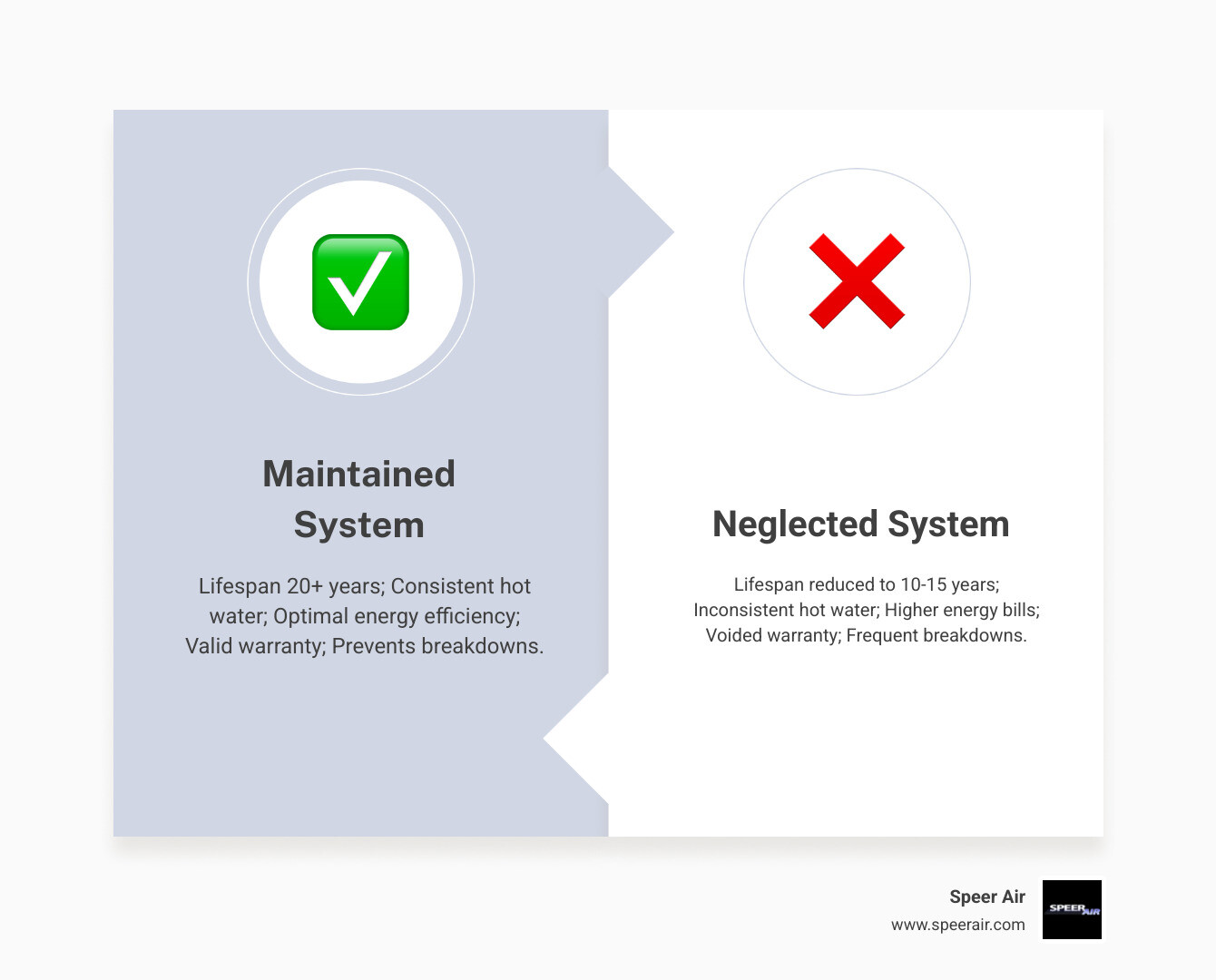
Over time, this increased strain can drastically reduce the lifespan of your tankless water heater, potentially cutting it down from its expected 20+ years to as little as 10 years. You might experience inconsistent hot water, reduced water pressure, or even sudden breakdowns. Furthermore, many manufacturers require proof of professional maintenance to validate your warranty. Without it, you could be left footing the bill for costly repairs that would otherwise be covered. In short, skipping maintenance is a direct path to higher energy costs, premature unit failure, and inconvenient hot water emergencies.
Is it time to repair or replace my tankless water heater?
Deciding whether to repair or replace your tankless water heater can be a tough call, especially as these units are designed for longevity. Here are some key factors we consider:
- Age of the Unit: Tankless water heaters are built to last 15-20 years, or even more with meticulous maintenance. If your unit is nearing or has exceeded this age, replacement often makes more financial sense than continuous repairs.
- Frequency of Repairs: If you find yourself calling for repairs multiple times a year, the cumulative cost of these repairs might soon approach the cost of a new unit.
- Rising Energy Bills: Even with maintenance, if your energy bills are consistently higher than they used to be, it could indicate that the unit’s efficiency has significantly degraded, making replacement a more economical option.
- Major Leaks or Corrosion: Extensive leaks or significant corrosion, particularly within the heat exchanger, can be very expensive to repair and might signify the unit is at the end of its life.
- Repair Costs vs. Replacement Costs: If the cost of a single repair is more than half the cost of a new unit, we generally recommend considering replacement. Modern units also offer improved efficiency and features that older models lack.
If you’re facing frequent issues or high repair estimates, it might be the perfect opportunity to consider an upgrade to a new tankless water heater installation rockway nj for renewed efficiency and peace of mind.
Ensure Peak Performance with Expert Local Service
Maintaining your tankless water heater is not merely a chore; it’s an investment in your home’s comfort, efficiency, and longevity. Regular tankless water heater maintenance in Middlesex County NJ ensures your unit delivers consistent hot water, keeps energy bills in check, and significantly extends its lifespan, preventing those unexpected and often inconvenient breakdowns.
We understand the unique challenges that Middlesex County homes face, from specific water hardness levels to seasonal demands on your plumbing systems. Our deep industry roots, stretching back to 1900, mean we bring over a century of accumulated expertise to every service call. We are not just technicians; we are part of the community, committed to providing the highest standard of care for your home’s essential systems.
When you choose a trusted local professional like us, you benefit from our specialized knowledge, state-of-the-art tools, and a meticulous approach to service that prioritizes your safety and satisfaction. We ensure every component is inspected, every filter cleaned, and every system flushed to perfection, giving you peace of mind throughout the year.
For comprehensive care and professional service that you can rely on, trust a team with deep roots in the community and a commitment to excellence. Schedule your tankless water heater services in Rockaway, NJ today and let us help you keep the hot water flowing seamlessly in your Middlesex County home.