

Why Home Heating Replacement in Bergen County, NJ Matters for Your Comfort
When Bergen County winters arrive with their biting cold, your heating system becomes the heart of your home. Home heating replacement in Bergen County, NJ isn’t just about staying warm—it’s about ensuring your family’s safety, reducing energy bills, and avoiding emergency breakdowns when temperatures drop below freezing. If your furnace or boiler is over 15 years old, making strange noises, or driving up your utility costs, it may be time to consider a replacement rather than another costly repair.
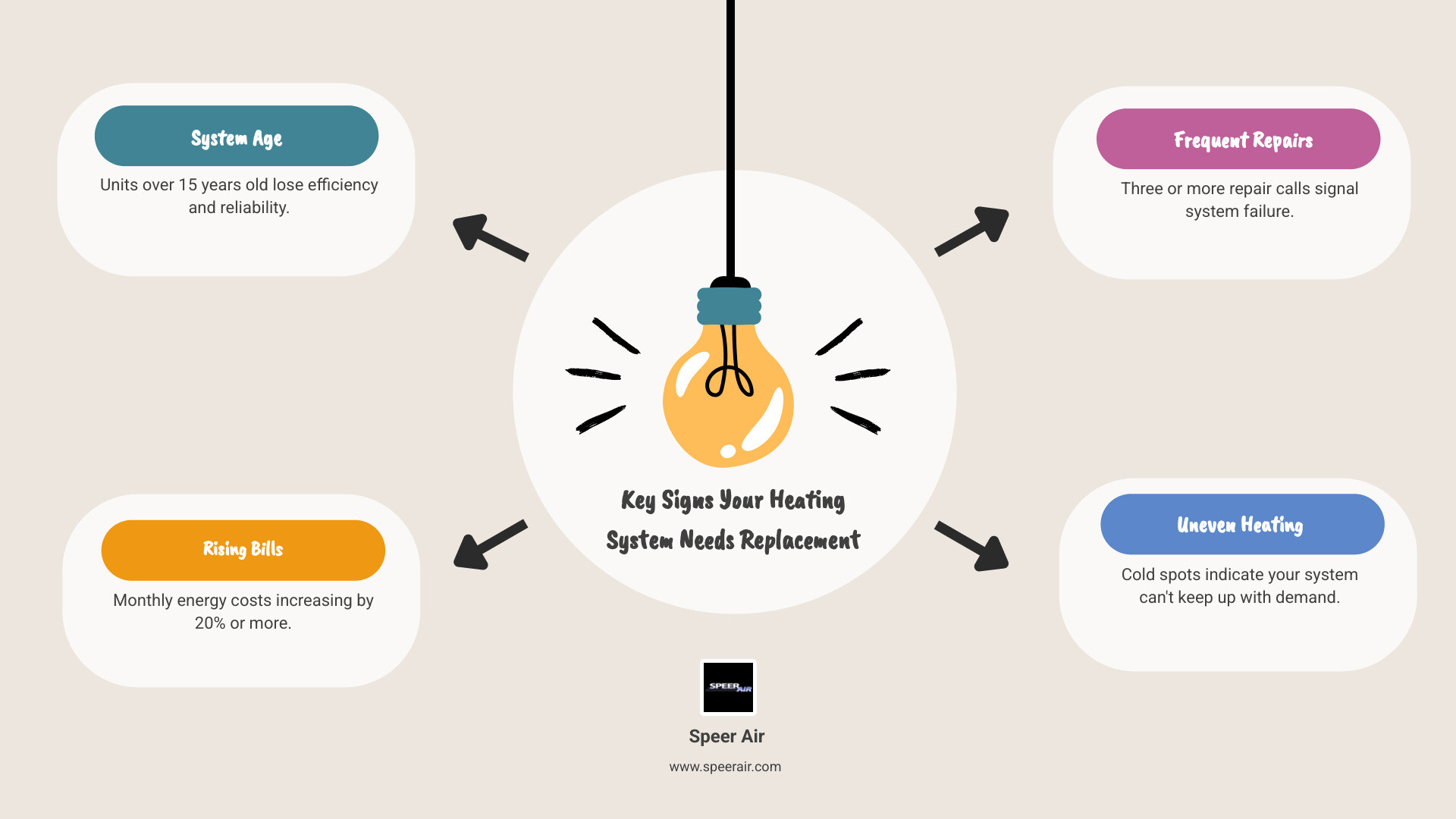
Key reasons to consider heating replacement:
- Age: Systems over 15-20 years old lose efficiency and reliability
- Rising bills: Older units work harder and cost more to operate
- Frequent repairs: Multiple service calls often signal the end is near
- Uneven heating: Cold spots indicate your system can’t keep up
- Safety concerns: Strange smells or visible corrosion pose risks
When you’re ready to explore replacement options, schedule a consultation with our certified technicians.
Modern heating systems offer significant improvements over older models—higher efficiency ratings, quieter operation, better air quality, and smart home integration. A new, high-efficiency furnace can significantly cut your heating costs compared to an aging, less efficient unit. Professional installation ensures your system is properly sized, safely vented, and optimized for Bergen County’s climate.
Basic home heating replacement in bergen county, nj glossary:
When to Replace Your Bergen County Heating System
The decision to replace your home heating system is a significant one, but often, your system provides clear signals that its time is drawing to a close. Ignoring these warnings can lead to uncomfortable winters, unexpected breakdowns, and escalating energy bills. For homeowners in Bergen County, understanding these signs is the first step toward making an informed decision about home heating replacement in Bergen County, NJ.
We often encounter systems that are well past their prime, struggling to keep up with the demands of a New Jersey winter. Here are the key indicators that it might be time for an upgrade:
- System Age: This is often the most straightforward indicator. Furnaces typically have a lifespan of 15-30 years, while boilers also last between 15-30 years. Heat pumps, a newer technology for many, generally serve for 15-20 years. If your system is approaching or has exceeded these age ranges, it’s operating on borrowed time. An older system is less efficient and more prone to failure, especially when you need it most. Proactive replacement can save you from an emergency situation.
- Rising Utility Bills: Have you noticed your heating costs creeping up, even when your usage habits haven’t changed? An aging heating system loses its efficiency over time, meaning it has to work harder and consume more fuel to achieve the same level of warmth. This inefficiency directly translates to higher monthly energy bills. Upgrading to a modern, high-efficiency unit can significantly reduce these costs.
- Frequent and Costly Repairs: If you’re calling for heating repairs multiple times a season, or if a single repair bill is a significant fraction of the cost of a new system, it’s a strong sign that replacement is more economical in the long run. Constantly patching up an old system is like throwing good money after bad.
- Uneven Heating and Inconsistent Temperatures: Do some rooms feel like a sauna while others remain chilly, no matter how you adjust the thermostat? This indicates your system is no longer distributing heat effectively throughout your home. Modern systems, properly sized and installed, ensure consistent, comfortable temperatures in every room.
- Poor Indoor Air Quality: Older furnaces can contribute to increased dust, dry air, and even the circulation of allergens if their filtration and combustion processes are compromised. A new system can improve air quality, especially when paired with advanced filtration options.
- Visible Rust or Corrosion: Any visible rust, cracks, or corrosion on your furnace or boiler is a red flag. These can indicate leaks, structural integrity issues, or even dangerous carbon monoxide leaks. This is a serious safety concern that demands immediate attention.
For a detailed look at when to consider a change, our articles When Should You Replace Your Furnace or Boiler and Signs HVAC System Is Ready for an Upgrade offer further insights.
Telltale Noises and Smells
Your heating system shouldn’t sound like a freight train or smell like a bonfire. Strange noises and persistent unusual smells are clear indicators that something is amiss, often pointing towards a need for home heating replacement in Bergen County, NJ.
- Banging, Rattling, or Squealing: These sounds can originate from various issues within the system. Banging might indicate expanding and contracting ductwork, or even a problem with the burner. Rattling often points to loose components, while squealing usually signals a failing belt or motor bearing. While some of these can be minor repairs, persistent or increasingly loud noises often suggest internal components are severely worn and the system is nearing the end of its operational life.
- Persistent Unusual Smells: A slight burning smell when you first turn on your heating for the season is often just dust burning off. However, a persistent metallic, electrical, or acrid smell is cause for concern. More alarmingly, a sulfuric (rotten eggs) smell could indicate a gas leak, which is extremely dangerous. Any unusual smell warrants immediate investigation by a professional.
- Safety Concerns, Including Carbon Monoxide Risk: Older systems, particularly furnaces and boilers, can develop cracks in their heat exchangers or exhaust vents. These cracks can allow dangerous carbon monoxide (CO) to leak into your home. CO is an odorless, colorless gas that can be deadly. If your system is old and showing signs of wear, the risk of CO exposure increases. Upgrading to a new system with proper venting and safety features provides peace of mind.
If you’re experiencing any of these issues, it’s crucial to address them promptly. Our team is ready to assist with Heating Repair in Rockaway, NJ and across our service areas.
Age and Inefficiency
The march of time is relentless, and nowhere is this more apparent than in the performance of your home heating system. As mentioned, the average lifespan of a furnace is 15-30 years, boilers typically last 15-30 years, and heat pumps have a lifespan of 15-20 years. When a system reaches or exceeds these age brackets, its efficiency plummets, and its reliability becomes questionable.
Outdated technology is a major culprit in inefficiency. Older furnaces, for example, might have AFUE (Annual Fuel Utilization Efficiency) ratings in the 60-70% range. This means that 30-40% of the fuel you pay for is wasted up the chimney. Modern high-efficiency furnaces, however, boast AFUE ratings of 90% or higher, with some reaching 98%. This dramatic improvement means more of your energy dollar goes directly to heating your home, resulting in substantial savings over the system’s lifetime. Similarly, modern boilers are far more efficient than their predecessors, with condensing boilers commonly reaching 95% AFUE or more.
The benefits of a proactive replacement are numerous:
- Significant Energy Savings: A new, high-efficiency system can drastically reduce your heating bills.
- Improved Comfort: Enjoy more consistent temperatures and fewer cold spots.
- Improved Reliability: Fewer breakdowns and less worry during peak winter months.
- Increased Home Value: A new, efficient HVAC system is an attractive feature for potential buyers.
- Environmental Benefits: Lower energy consumption means a smaller carbon footprint.
Considering a proactive replacement helps you avoid the stress and expense of an emergency breakdown in the dead of winter. For comprehensive support with all aspects of heating service in Bergen, Essex, and Passaic County, we are here to help you explore your options.
Choosing the Right System for Home Heating Replacement in Bergen County, NJ
When considering home heating replacement in Bergen County, NJ, the sheer number of options can feel overwhelming. However, by understanding the different types of systems and the factors that influence their performance, we can help you make an informed decision that ensures comfort and efficiency for years to come.
Here’s a quick comparison of common heating systems:
| System Type | Typical Lifespan | AFUE Rating (Approx.) | Fuel Type(s) |
|---|---|---|---|
| Furnaces | 15-30 years | Gas: 80-98%, Oil: 80-90%, Electric: 95-100% | Natural Gas, Oil, Electric |
| Boilers | 15-30 years | 80-95% (Condensing 90%+) | Natural Gas, Oil, Electric |
| Heat Pumps | 15-20 years | 175-300% (HSPF) | Electric |
Common Systems for Bergen County Homes
Bergen County homes use a variety of heating systems, each with its own advantages. We specialize in the installation and service of all major types:
- Gas Furnaces: These are a popular choice due to the widespread availability of natural gas in the area. They heat air and distribute it through ductwork. High-efficiency gas furnaces can achieve AFUE ratings of 98%, offering excellent energy savings.
- Oil Furnaces: While less common than gas, oil furnaces are still found in some Bergen County homes, particularly older properties or those without natural gas access. Modern oil furnaces are more efficient than their predecessors, with AFUE ratings typically between 80-90%.
- Boilers: Boilers heat water to provide warmth through radiators, baseboard heaters, or radiant floor heating systems. They are known for providing a very consistent, comfortable heat. A new, professionally installed boiler can last 15 to 25 years. For colder climates like ours, we recommend looking for an AFUE rating of 90% or higher. We are experts in Boiler Replacement in Rockaway, NJ and surrounding areas.
- Heat Pumps: These versatile systems provide both heating and cooling. They work by transferring heat, rather than generating it, making them incredibly energy-efficient. Modern heat pumps are effective even in colder climates, offering a great alternative for year-round comfort. They typically have a lifespan of 15-20 years and high-efficiency percentages (175-300%).
- Ductless Mini-Splits: For homes without existing ductwork, or for additions and zoned heating/cooling needs, ductless mini-splits are an excellent solution. They are highly efficient and offer individual temperature control for different areas.
- Hydronic Systems: This term broadly refers to systems that use water for heat transfer, encompassing boilers, radiant floor heating, and baseboard heaters. These systems offer quiet operation and even heat distribution.
Whether you’re considering a furnace, boiler, or heat pump, our team can guide you through the best options for your specific needs. Find more about our services for Heating Replacement in Rockaway, NJ.
Factors to Consider for Home Heating Replacement in Bergen County, NJ
Choosing the right heating system for your Bergen County home involves more than just picking a brand. Several critical factors must be carefully evaluated:
- Home Size and Layout: The square footage of your home, its ceiling height, and its overall layout significantly impact the size and capacity of the heating system you’ll need. An oversized unit will cycle on and off too frequently, wasting energy, while an undersized unit will struggle to keep your home warm. Proper sizing is critical for both efficiency and performance.
- Insulation Levels: A well-insulated home retains heat more effectively, meaning it may require a smaller system or can benefit more from a high-efficiency model. We’ll assess your home’s insulation to recommend the most appropriate system.
- Budget and Long-Term Value: While the initial purchase and installation cost is important, we also encourage you to consider the long-term operational costs. Higher-efficiency units may have a higher upfront cost, but the savings in utility bills over their lifespan often make them a smarter investment. We can discuss financing options to help ease the financial burden.
- Local Fuel Availability: Natural gas is widely available in many parts of Bergen County and is often the most cost-effective energy source. However, if your home relies on oil or electricity, we’ll discuss the best system options for those fuel types, or even explore oil-to-gas conversion possibilities.
- Energy Star Certification: Look for systems with the Energy Star label. These products meet strict energy efficiency guidelines set by the EPA, ensuring lower operating costs and a reduced environmental impact.
- Smart Home Compatibility: Many modern heating systems integrate seamlessly with smart thermostats and home automation systems, allowing for remote control, precise temperature scheduling, and further energy savings.
We believe in empowering you with choices that align with your comfort goals and budget. Our HVAC Resources in Rockaway, NJ provide additional valuable information.
The Professional Installation Process & Long-Term Care
Upgrading your heating system is an investment in your home’s comfort, efficiency, and safety. The benefits of modern heating systems are clear: improved energy efficiency, lower utility costs, more consistent heating, reduced risk of breakdowns, and often, less noise. However, these benefits are only fully realized with professional installation and diligent long-term care.
Professional installation is paramount. Unlike a DIY project, heating system replacement involves complex electrical, gas, or plumbing connections, precise sizing calculations, and adherence to local building codes. Attempting a DIY installation can lead to safety hazards, voided warranties, inefficient operation, and costly damage. Our NATE-certified technicians are trained to handle every aspect of the installation process with precision and care, ensuring your new system operates optimally from day one.
The Typical Process for Home Heating Replacement in Bergen County, NJ
When you choose us for home heating replacement in Bergen County, NJ, you can expect a streamlined and professional process designed to minimize disruption and maximize your comfort.
- Initial Consultation: We begin with a thorough discussion of your heating needs, budget, and preferences. We’ll answer all your questions and help you understand the options available.
- Home Assessment: Our technicians will conduct a detailed assessment of your home, considering factors like square footage, insulation, window efficiency, and existing ductwork or piping. This helps us accurately size the new system for optimal performance.
- System Selection: Based on the assessment and consultation, we’ll recommend suitable heating systems (furnace, boiler, heat pump) that align with your home’s requirements and your comfort goals.
- Removal of Old Unit: On installation day, our team will carefully disconnect and remove your old heating system, ensuring proper disposal according to environmental regulations.
- Installation of New System: The new unit is then expertly installed, including all necessary electrical, gas, or water line connections. We pay meticulous attention to detail, ensuring everything is installed according to manufacturer specifications and local codes.
- Ductwork or Piping Adjustments: If necessary, we’ll make adjustments to your existing ductwork or piping to ensure optimal airflow and heat distribution for your new, more efficient system.
- System Testing and Calibration: Once installed, the system undergoes rigorous testing and calibration to ensure it’s operating safely, efficiently, and at its peak performance. This includes checking for leaks, proper combustion, and thermostat functionality.
- Homeowner Walkthrough: Finally, we’ll walk you through the new system’s operation, explaining its features, how to use the thermostat, and basic maintenance tips. We’ll ensure you’re comfortable and confident with your new heating system.
To ensure your home is ready for this upgrade, consider reviewing our guide on how to Prepare Home for New HVAC System Setup. For more on our installation services, visit our page on Heating Installation Services in Rockaway.
Protecting Your New Investment
Once your new heating system is installed, protecting that investment through proper care is essential for its longevity and continued efficiency.
- Annual Professional Maintenance: This is perhaps the most crucial step. Just like your car, your heating system needs regular tune-ups. Annual professional maintenance ensures all components are clean, calibrated, and working correctly. This proactive approach helps prevent minor issues from becoming major, costly repairs and maintains the system’s efficiency, protecting its warranty. For boilers, specifically, annual professional maintenance is crucial to ensure all connections, pressures, and safety controls are working correctly, protecting the unit’s warranty and guaranteeing optimal performance and efficiency. We discuss this further in Why Regular Boiler Service Is Important for Homes.
- Manufacturer Warranties: New heating systems come with manufacturer warranties that typically cover parts for a specified period (often 5-10 years or more). It’s vital to understand the terms and conditions of these warranties, as regular maintenance is often a prerequisite for keeping them valid.
- Labor Guarantees: Beyond manufacturer warranties, reputable installers like us offer labor guarantees on our work, providing you with additional peace of mind. Be sure to inquire about these guarantees during your consultation.
- Available Financing Options: To make your new heating system more affordable, we offer flexible financing options. This allows you to invest in a high-efficiency system without a large upfront payment. Explore your options on our HVAC Financing Rockaway NJ page.
- Home Comfort Plans: Consider enrolling in one of our comprehensive home comfort plans. These plans often include annual maintenance, priority service, and discounts on repairs, ensuring your system remains in top condition for years to come.
Frequently Asked Questions About Heating Replacement
We understand that home heating replacement in Bergen County, NJ brings many questions to mind. Here are some of the most common inquiries we receive, along with our expert answers.
How long does a typical heating system installation take?
The duration of a heating system installation can vary depending on the type of system and the complexity of the job.
- Furnace Installation: A typical furnace installation usually takes about four to eight hours. This can depend on whether new ductwork is needed, the location of the unit, and any specific modifications required for your home.
- Boiler Installation: Standard residential boiler replacement typically takes between one and three days. This longer timeframe often accounts for potential changes in fuel type, adjustments to venting, or modifications to the piping layout.
Our experienced teams prioritize proper installation for optimal performance and efficiency, ensuring the job is done right the first time. For more information on our installation timelines and services, check out HVAC Installation Services Available in Rockaway and our other service areas.
Are there local regulations for heating replacement in Bergen County?
Yes, there are indeed specific local considerations and regulations for heating system replacement in Bergen County, NJ, as there are in most municipalities. These regulations are in place to ensure safety, efficiency, and proper installation practices.
- Building Permits: Most heating system replacements require a building permit from your local municipality. This permit ensures that the installation adheres to local codes and safety standards.
- Municipal Inspections: After installation, a municipal inspector will typically review the work to confirm it meets all code requirements.
- Code Compliance: All installations must comply with New Jersey’s Uniform Construction Code and any specific local ordinances. This covers aspects like venting, gas line connections, electrical wiring, and system clearances.
- Licensed Contractors: It is crucial to hire a licensed and insured HVAC contractor for any heating replacement. This ensures that the technicians are qualified, follow safety protocols, and are knowledgeable about local regulations.
- Safety Standards: Compliance with safety standards, particularly regarding carbon monoxide detection and proper venting, is non-negotiable.
Choosing a professional, licensed HVAC contractor like us ensures that all permits are obtained, all work meets code, and your system is installed safely and correctly. Learn more about selecting the right professional in Choosing Your HVAC Contractor.
What AFUE rating is best for a New Jersey home?
For a New Jersey home, especially considering our often-brutal winters, we highly recommend choosing a heating system with a high AFUE (Annual Fuel Utilization Efficiency) rating.
- High-Efficiency Systems: For furnaces, an AFUE rating of 90% or higher is considered high-efficiency. For boilers, particularly in colder climates like Bergen County, we advise looking for an AFUE rating of 90% or higher.
- Condensing Boilers: These advanced boilers commonly reach 95% AFUE or more, offering significant fuel savings by recovering heat from exhaust gases that would otherwise be wasted.
- Energy Savings: While systems with lower AFUE ratings (e.g., 80%) are still sold, investing in a 90%+ AFUE unit will lead to substantial energy savings over the lifespan of the system, quickly offsetting any higher initial cost. This is particularly true for homes in colder climates where the heating system runs for extended periods.
Choosing a high-efficiency system not only lowers your utility bills but also provides superior comfort and a reduced environmental footprint. Our HVAC Learning Center offers more details on efficiency ratings and how they benefit your home.
Ensure Your Home’s Comfort This Winter
As we’ve explored, deciding on home heating replacement in Bergen County, NJ is a crucial step towards a more comfortable, efficient, and safer home. The benefits of upgrading to a modern heating system are undeniable: improved comfort with consistent temperatures, improved safety thanks to updated technology, and significant savings on energy costs due to higher efficiency ratings.
Don’t let an aging, inefficient, or unreliable heating system leave you in the cold this winter. The peace of mind that comes with a new, professionally installed heating system is invaluable. Our team of NATE-certified technicians at Speer Air brings decades of experience and expertise to every installation, ensuring your new system is perfectly sized, expertly installed, and optimized for your Bergen County home.
We are committed to providing you with the best solutions for your home heating needs. Contact Us today to discuss your options, get answers to your questions, and take the first step towards a warmer, more efficient home. Schedule your consultation for heating replacement today and experience the Speer Air difference.